

9 Budget-Friendly Health Tips

Health Educator, Stacey Gretka, posted an answer on her Q&A that is getting a lot of attention. We wanted to share her budget-friendly health tips here:
My family of five (two adults, two children under 5, and 1 dog) eat on an average of $500 per month. This includes paper goods, dog food, and cleaning supplies as well as our food. We have an eating out budget of $100 per month, and rarely reach, let alone exceed, that amount. Saving money is important to us because we love to entertain. We want to be able to provide unforgettable hospitality to our friends and family without worrying about how we’re going to pay for it, and yet, obviously, good health is equally as important to me. It makes no sense to be able to feed my friends and family if we cannot enjoy their company with energy and enthusiasm. I offer you my tips, but depending on your situation, you may need a more intense “fix” – please feel free to reach out if you need me to expound upon any of these or if you need a customized plan to help you reach your health and financial goals.
The real keys to healthy eating on a tighter or stricter budget are:
1) Planning – this allows you to eat only what you purchased (no extra, unplanned outings means no extra, or unexpected spending), and purchase only what you’re going to eat (rather than extras that will either go bad, or encourage unnecessary snacking). Try making a chart for the whole family, that indicates when and what they’ll be eating for breakfast, lunch, snacks, and dinner. If they’re over 7, they should participate in the planning process. The most important part of the planning process is execution. Stick to your plan at all costs. The consistency of doing so is what will save you big bucks in the long-run.
2) Prepping – making healthy foods easy to use means they’ll be less likely to go to waste, which means a) you won’t waste your money on spoiled produce, or buying new produce and b) you’ll be filling up on less expensive foods rather than pricey, pre-made snacks. Try washing and cutting peppers, carrots, celery and jicama in sticks and store in plastic containers in the fridge for up to one week. If you intend on having salad for lunch or dinner, wash, cut, and thoroughly dry salad greens (like spinach, mesclun, romaine, etc.) and store in a plastic container lined with paper towel for up to 5 days. Wipe out the excess moisture or condensation and remove any rotting or wilting leaves as soon as you see these signs.
3) Portions – pay attention to your (and your family member’s) portions. Some people eat 8 ounces of meat/poultry for dinner, when in reality each night they should only be having four (possibly five or six depending on the person). By recognizing proper portions, you can literally double, sometimes triple your money. Equally as impactful, by consuming the right amount of starches/grains, fruits, and dairy (not to mention snack foods), you’ll save a ton! To determine your specific needs, contact your local Health Educator. This always seems to be the big surprise for my clients: how much money they save simply by eating the amount their bodies actually need of the foods their bodies actually need.
4) Process your own – pre-processed foods are actually more expensive than their homemade counterparts, if a) you have the time to do it yourself and b) you have the proper tools and spices already on hand. When people buy all of the ingredients they need for one fancy meal or one go at homemade protein bars, they’ll definitely end up overspending and they’ll definitely believe the myth that healthy eating is more expensive. However, I can make a complete, homemade meal for under $2.00 per serving – you can’t even beat that with fast food. This comes from paying attention to sales, investing in great deals, and dividing/repackaging/freezing when appropriate. It also means setting aside a couple of hours each week for, you guessed it, planning, prepping, and portioning.
I also strongly recommend the following:
1) Set a deadline and goal – Have a specific goal in mind: to save x amount of dollars by y date so that we can do z. A common example: save $1000 dollars by March so we can go on a beach vacation. (This one works well because in addition to having the money for a new swimsuit, you’ll have the body to rock it!). Another great goal: “save $500 by December so we can pay off our credit card.” Either way, the first step here is to look back at your bank statements (most online banking will have a summary by category) and determine how many dollars you need to cut back each month to reach your goal. For example, if you typically spend $1000 per month on groceries, and you want to save $1000. In ten month’s you’ll need to cut off $100 from your monthly grocery bill. Then set a realistic deadline for yourself.
2) Set reasonable expectations – Note that in the example above, I did not try and cut $500 from each month over two months. If you’re used to eating and living a certain way, it’s not reasonable to cut that budget in half. You must also consider: the number of eaters in your household, the ages of those eaters, the cost of living for your area, and your current schedule (if you have three vacations scheduled this month, you’ll need to consider that the eating out budget will likely be a bit higher). It is pretty reasonable to expect a 10% cut as do-able.
3) Don’t forget to take advantage of subscription services and sales – Many people get their toilet paper, paper towels, tissues, napkins, etc. from the grocery store, yet with a little math, you can determine your family’s needs for these items and commit to a subscription service which can save you up to 15% on these items. Amazon Subscribe and Save is a great option and you currently do not need a Prime Membership to utilize this service. We get our diapers, wipes, napkins, toilet paper, paper towels, and even Goldfish crackers from Amazon! Keep your eyes open for circulars, store coupons, coupon books, and even Kids Eat Free deals!
4) Don’t be brand loyal for no reason – I get the commitment to brands you respect or believe in, but if it’s just for taste, or worse - for habit, this is sucking your wallet dry. For example, we believe that brand name paper towels are more effective than store brand (we actually use the store brand faster, and therefore end up spending less with the brand name), but for the most part, for example, Uncle Ben doesn’t have anything special in his rice that Food Lion doesn’t. For nearly a dollar difference per box, this sort of swap adds up very quickly.
5) Be veggie savvy – certain veggies simply don’t last all week and if you can’t make a second dedicated trip (without stocking up on unnecessary extras), you’ll need to come up with another option: frozen or canned veggies (check for no added sodium). I love throwing frozen peas into pasta, canned carrots into smoothies, and frozen green beans (with a little lemon pepper seasoning) make a fantastic stand-alone side!
If you need more help on any of these items, don't hesitate to reach out to our amazing team of RDs and Health Educators. We're here to support you - contact information@tntgetfit.com and we'll get you on the right path to a healthy, affordable lifestyle!
If you need more help on any of these items, don't hesitate to reach out to our amazing team of RDs and Health Educators. We're here to support you - contact information@tntgetfit.com and we'll get you on the right path to a healthy, affordable lifestyle!
Megan's Story

Success stories are a regular occurrence here at TNT, although not always are the results visible (We have many athletes who shave time off their miles, add wins to their record, and reduce injury. We have many clients who lower their cholesterol, lower their grocery bill, and increase their energy levels), so we're super excited when we get to share pictures that paint a much clearer picture of what TNT stands for.
Honored to work with someone as goal-oriented as Megan, and proud of what she accomplished, we wanted to share her story:
Here's what she had to say:
"I have always been active and relatively fit. However, like most people, I gained some weight during college (20 pounds) and just couldn't seem to lose it no matter what diet and exercise program I tried. I decided to try TNT to kick off the new year and saw incredible results within 2 weeks! After 5 months, I went from 25% body fat to 16%. People ask me how I did it and the answer is simple - I started to EAT. This goes against everything most "diets" and weight loss programs stand for. The best part about this program is that I never feel deprived, and therefore, it is sustainable. It provides you with a blueprint to follow but allows you to exchange and choose foods you enjoy eating. Sue taught me how to properly fuel my body which kicked my metabolism into a serious fat burning mode. Now I look leaner than ever and feel great! Choosing to join TNT was one of the best decisions I have ever made and I highly recommend it!"


Make These and Minimize Clean Up!

For the families who don't want to choose between healthy, quick, or delicious, and for all of us who shouldn't have to spend the rest of their evenings following dinner scrubbing pots, pans, and a thousand other fun kitchen gadgets, we've rounded up some of our favorite one-pot meals. What makes a one-pot meal so special? It hits all your categories with limited clean up and unnecessary added fats: protein, vegetables, and starch in one glorious vessel. So come on: turn that oven back on and serve up some real family time.
Poblano Paella

Chicken and Rice Parm Skillet

Shrimp (or any lean meat) Fried Rice

Chicken and Root Vegetable Pot Pie

Chicken and Dumplings

Chicken, Orzo, and Spinach Skillet
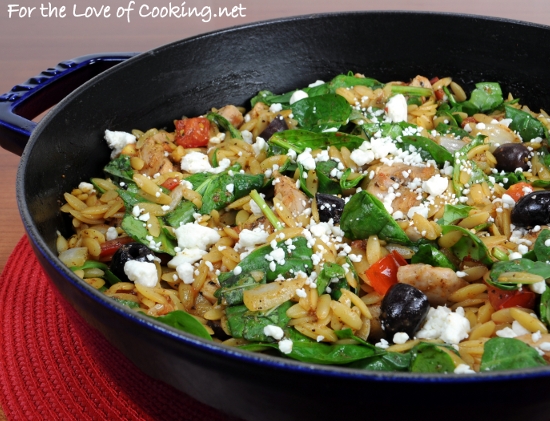
Kale, Sausage, and Lentil Skillet

Lamb Tagine with Couscous

Pork Chops with Chard and White Beans

One-Pot Pasta

Skillet Orecchiette

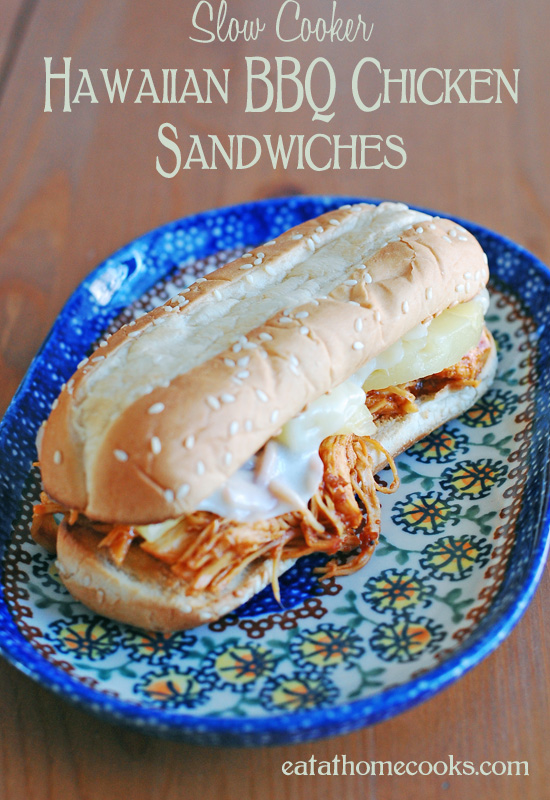
23 Ways to Work Your Slow Cooker (Round-Up)










Heart-Healthy Pumpkin Breakfast Bites

Enjoy chilly fall mornings with these healthy and delicious Pumpkin Breakfast Bites, a recipe adapted from one we found on Popsugar.com that are easy to take on-the-go for breakfast or anytime! Best of all each bite is half of a high-quality starch exchange!
Pictures and recipe provided by TNT Health Educator, Stacey Gretka.
1. Preheat your oven to 375 degrees Fahrenheit.
2. Begin by mixing the dry ingredients in a large bowl:

1.5 c whole wheat flour
1.5 c rolled oats
0.75 c light brown sugar
1 tsp baking powder
0.5 tsp baking soda
1 tsp cinnamon, ground
0.5 tsp ginger, ground
0.25 tsp allspice, ground
0.25 tsp nutmeg, ground
1 tsp salt


3. Then in a separate bowl, mix the wet ingredients:

1 can pumpkin puree
3 Tbsp canola oil
0.25 c low-fat or non-fat milk
1 whole egg
1 egg white

1 can pumpkin puree
3 Tbsp canola oil
0.25 c low-fat or non-fat milk
1 whole egg
1 egg white
4. Next, combine the wet and dry ingredients. Fold in 0.5 c dark chocolate chips and 0.5 c chopped walnuts if you desire.


5. Spoon muffin mixture into a silicon baking mold like this one.

6. Bake for 15 minutes, allow to cool on a cooling rack, and repeat with remaining batter.

7. Package into appropriate portions and freeze! They microwave well if you prefer them to be warm. Try 10-15 seconds on high per mini muffin.
| Nutrition Facts | |
|---|---|
| Servings 48.0 | |
| Amount Per Serving | |
| calories 65 | |
| % Daily Value * | |
| Total Fat 3 g | 4 % |
| Saturated Fat 1 g | 4 % |
| Monounsaturated Fat 1 g | |
| Polyunsaturated Fat 1 g | |
| Trans Fat 0 g | |
| Cholesterol 4 mg | 1 % |
| Sodium 71 mg | 3 % |
| Potassium 34 mg | 1 % |
| Total Carbohydrate 9 g | 3 % |
| Dietary Fiber 1 g | 5 % |
| Sugars 5 g | |
| Protein 1 g | 3 % |
| Vitamin A | 0 % |
| Vitamin C | 0 % |
| Calcium | 1 % |
| Iron | 2 % |
| * The Percent Daily Values are based on a 2,000 calorie diet, so your values may change depending on your calorie needs. The values here may not be 100% accurate because the recipes have not been professionally evaluated nor have they been evaluated by the U.S. FDA. | |
TNT Prepnique: Health Educator Meghan Makes Mason Jar Salads

Making lunch is a lot more fun when it looks pretty to eat! I really think that is one of the main reasons I prefer eating out. Otherwise, the food usually tastes better and I have way more control over my food when I make it myself. So what's the big draw to restaurants? Well, for one it's having someone wait on me, but I think the biggest reason is really the presentation. What if I could essentially solve both of those concerns and still enjoy my own homemade food? Well, I think I'd be a lot more likely to stick to my plan, that's for sure!
TNT Health Educator, Meghan Neary, really lit a light bulb for me when she sent me pictures of her gorgeous salad in a jar (her salad contained mixed greens, red and yellow bell peppers, feta, tomato, slivered almonds, and black olives). What other kinds of delicious combinations could we layer in a jar?! And what are the insider secrets of jar lunches? And how can we keep these tasty pieces of art away from hungry co-workers? (Just kidding - make more and share!) Here's what my research reveals:
Pack it Up, Pack it In
Let me begin... by saying it's super important that you pack the layers tightly so the air doesn't wilt your leaves. Oxygen oxidizes, so all cut fruits and vegetables will be less than fresh when they're exposed. Cut down on the natural process, by limiting the amount of oxygen that can reach any cut (or torn) surfaces.
Order Matters
The key to keeping these layers delectable is the order. A dry or soggy salad does not sound exciting at all, nor does a salad that begins to wilt, or layers that are anything short of fresh. So follow these tips to keep things in order:
- Start with the dressing and/or your wet ingredients (like cut tomatoes or cucumbers).
- Add strong flavors next (like onion).
- Create your base out of ingredients that are least likely to soak up the dressing (like carrots, chickpeas, cherry tomatoes, or sugar snap peas).
- Add additional ingredients in the middle.
- Top with salad greens.
- Cheese and/or nuts and seeds go last.
Think Themes
The easiest way to get ideas is to think about your menu from a cultural perspective. Are you thinking you want a classic American tossed salad? What about a more Mexican vibe? Asian? Mediterranean? The places (and spices) are nearly endless and following common cultural food combos can help you narrow down the selection process and ensure your choosing will be well worth the wait.
BYOB
Bowl! Bring your own Bowl... Don't attempt to eat the salad from the jar. Your only result will either be a) a big mess or b) an unmixed salad. Simply untwist your lid, dump the contents, and enjoy. Bonus: since the salad dressing is on the bottom, it will now be on the top!
When in Doubt, Use Parchment Paper and a Rubberband
Julia Mirabella wrote an entire cookbook on these gorgeous lunch jars and she discovered that some combos simply don't work with the salad dressing already inside. But bringing a big container of salad dressing might not be the only answer. You could bring a small side container with a tablespoon or two, or you could stick with your one jar meal and try this handy technique:
 |
| Photo Credit: Julia Mirabella |
Just make sure you screw the lid on tightly and don't store it upside down.
So order your mason jars and get started with some of these ideas! Check out our Pinterest Page for even more! And of course, don't forget to keep them cool on the way to work.
Ideas:
Try some of these combos to make your mason jar salad stand up and stand out.
The Southwestern Black Bean Salad: Romaine lettuce, cherry tomatoes, black beans, green onion, bell peppers, corn, cucumber, salsa.
Creamy Roasted Garlic Salad: 1-2 tablespoons Praise Deli Style Creamy Roasted Garlic Dressing
Cucumber, Carrot, Capsicum, Corn kernels, Celery, Pasta, Cherry tomatoes, Chicken, Egg, Cheese, Lettuce.
Zucchini Pasta Salad: 1 1/2 cups spiraled zucchini, 1/2 cup shelled edamame, 1/2 cup sliced celery, 1/2 cup chopped red bell pepper, 1/2 cup cherry tomatoes, Optional: 1/4 cup feta cheese, 2 tablespoons kalalmata olives, Avocado-Spinach Dressing.
Shrimp & Feta Cobb Salad: A few teaspoons of your dressing of choice, 2 Tablespoons chopped avocado, 8 grape tomatoes, 1 Tablespoon red onion, 2 Tablespoons chopped cucumber, A few handfuls of romaine lettuce and baby spinach, 2 Tablespoons of chopped feta, 6-8 cooked shrimp, 1 boiled egg, 2 slices of cooked bacon.
Asian Noodle Salad: 4 ounces soba noodles, 1 red bell pepper, 1 cup shelled edamame, 2 large carrots, 4 green onions, 1/2 cup crunchy rice noodles, Spicy Peanut Dressing